Published June 30, 2026
Owning a boat comes with incredible freedom—but also responsibility. Whether you're cruising inland lakes, coastal waters, or heading offshore, the right gear can prevent minor issues from escalating and potentially save lives in an emergency. Here are the Top 10 Essential Boat Gear items every boater should have. These are practical, highly rated products that combine USCG compliance where required, real-world utility, and proven reliability.
1. Boat Air Horn
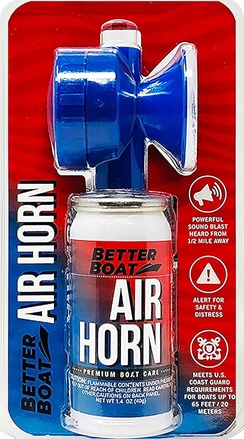
A loud, reliable sound-producing device is a USCG requirement for most recreational boats. This compact marine air horn (typically 120 dB models like Better Boat or similar) delivers a powerful blast audible up to ½ mile or more—perfect for signaling in fog, alerting other vessels, or drawing attention in emergencies. No batteries or charging needed, just reliable compressed air. It meets USCG standards for boats up to 65 feet and is small enough to stow anywhere. Essential for collision avoidance and safety signaling.
2. Binoculars
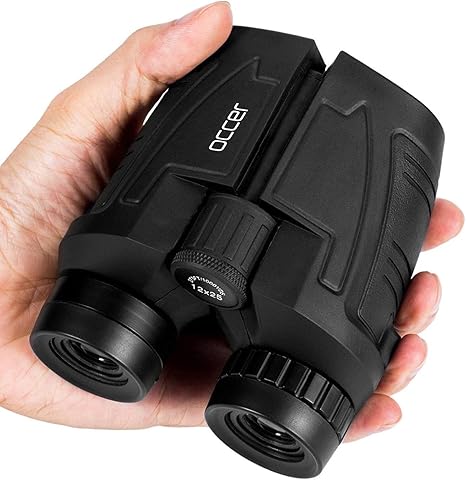
Waterproof, compact binoculars (such as the popular Occer 12x25 model) are a boater’s best friend for navigation and situational awareness. They offer clear optics with large eyepieces, easy focus, and good low-light performance—ideal for spotting buoys, channel markers, other boats, wildlife, or hazards at a distance. Durable and fog-proof for marine environments, they turn “I think I see something” into confident decision-making. A must-have for safe piloting and enjoyable boating.
3. Fire Extinguisher
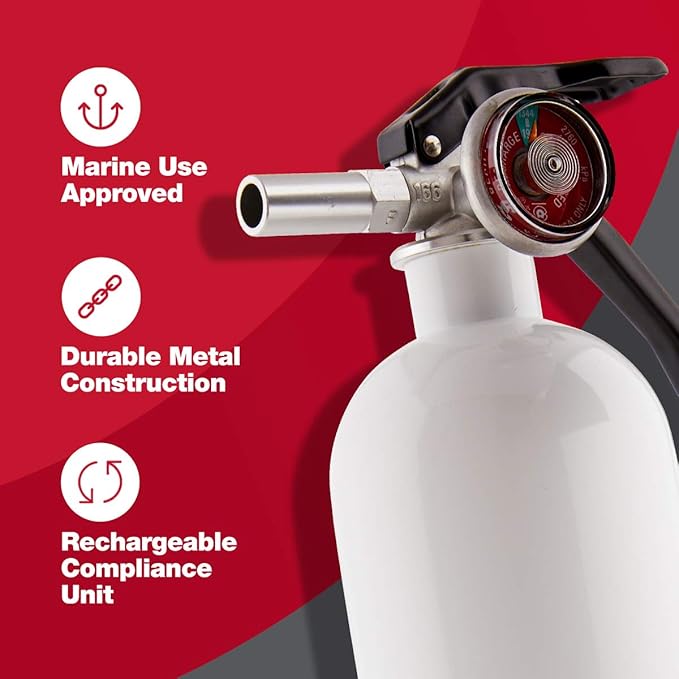
Fire is one of the most serious threats on a boat. The First Alert Marine1 (FE1A10GR) is a UL-rated 1-A:10-B:C extinguisher specifically designed for marine use. It effectively fights wood, paper, plastics, gasoline, oil, and electrical fires with durable all-metal construction. USCG-approved for boats, it should be mounted in an accessible location (many boats need more than one depending on size). Quick access can stop a small fire from becoming catastrophic.
4. Red Light Headlamp
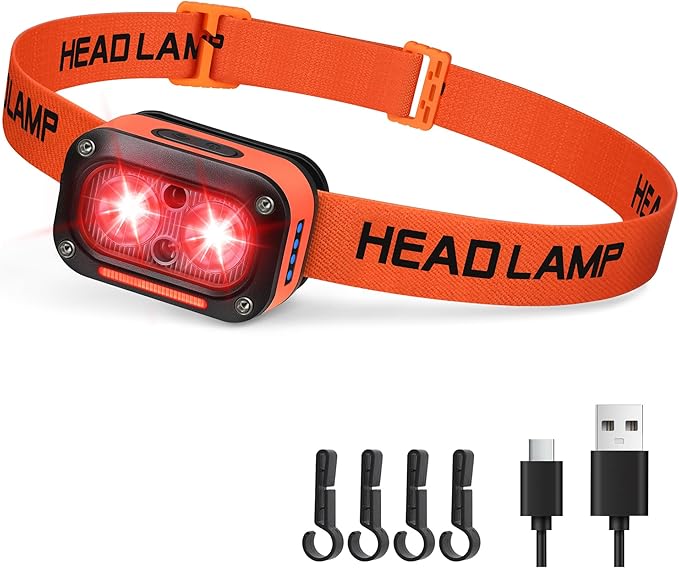
Night boating or working on deck after dark requires preserving your night vision. The DARKBEAM rechargeable red LED headlamp excels here—it features bright red light modes (plus white options), motion sensing, adjustable headband, and long runtime (up to several hours on red light, 28+ hours in low modes). Fully waterproof and USB-rechargeable, it’s perfect for reading charts, checking lines, anchoring, or repairs without blinding yourself or crew. A modern essential for safe after-hours operation.
5. E-Flare (Electronic Distress Signal)
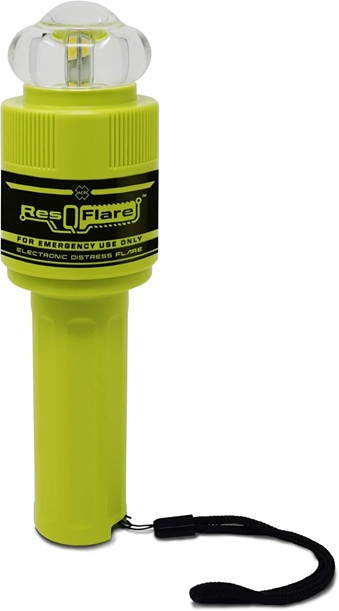
Traditional pyrotechnic flares have expiration dates and safety risks. The ACR ResQFlare is a USCG-approved electronic replacement that emits a bright SOS Morse code signal visible 360° for over 20 hours—three times longer than standard flares. It includes a daytime distress flag and is waterproof with easy battery replacement. Safer, reusable for testing, and highly reliable in emergencies. A smart upgrade for visual distress signaling requirements.
6. Waterproof First Aid Kit
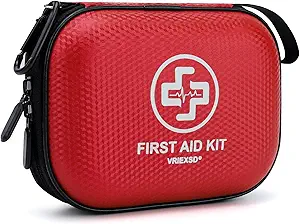
Injuries on the water demand quick, dry supplies. The WELL-STRONG waterproof first aid kit (often 200+ pieces) uses a rugged roll-top dry bag with hot-pressed seams that keeps contents bone-dry even after submersion. It includes bandages, gauze, antiseptics, tools, and marine-relevant items like motion sickness remedies. Compact, floatable, and easy to stow in a glovebox or under a seat—your go-to for treating cuts, burns, scrapes, and minor emergencies until you reach shore.
7. VHF Radio
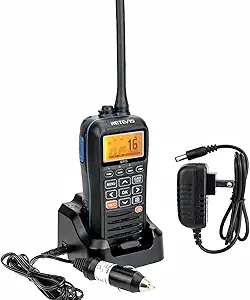
Communication is critical on the water. A handheld marine VHF radio lets you monitor Channel 16 (distress and hailing), talk to other boats, marinas, bridges, and the Coast Guard. Many models are waterproof, float, include GPS/DSC for automatic distress alerts, and have long battery life. Far more reliable than a cell phone in remote or offshore areas. Strongly recommended (and sometimes required) by the USCG.
8. EPIRB (Personal Locator Beacon)
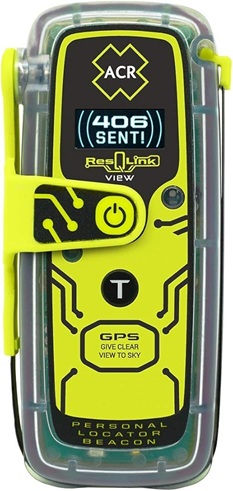
For serious peace of mind—especially offshore or in remote areas—a personal EPIRB/PLB transmits your GPS location via satellite to rescue services when activated. Compact, waterproof, and registered to you, it dramatically increases your chances of a fast rescue if you go overboard or the boat is disabled. A true life-saving device beyond the range of VHF or cell phones.
9. Boat Knife
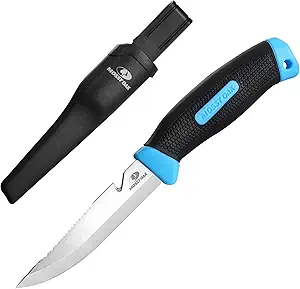
A sharp, corrosion-resistant marine knife (often with sheath, serrated edge, and lanyard) handles everyday tasks like cutting lines, trimming rope, or opening packages—and becomes critical in emergencies (freeing a fouled prop, entangled gear, or cutting a tow line). Look for stainless steel construction and easy one-handed access. Small but incredibly useful tool that belongs in every boat’s toolkit.
10. Self-Inflating Life Vest (PFD)
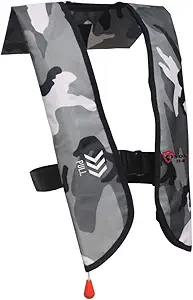
Comfortable enough to wear all day, automatic/self-inflating life vests provide reliable buoyancy when you need it most. USCG-approved models inflate on water contact (with manual backup) and are far less bulky than traditional foam vests. Ideal for active boaters, anglers, or anyone who wants protection without sacrificing mobility. One of the best investments for actual wear compliance and safety.
Quick Tips for New Boat Owners:
- Check your specific boat size and local/state regulations for required equipment.
- Store gear in accessible, dry locations and inspect it regularly (especially flares and extinguishers).
- Consider taking a USCG-approved boating safety course.
Always wear a life jacket—especially children under 13.
These 10 items form a strong foundation for safe, confident boating. They balance legal requirements, emergency preparedness, and day-to-day usefulness.
What’s your #1 must-have piece of boat gear? Drop it in the comments below!
For more boat listings, reviews, and expert tips, visit www.boatbounties.com.Stay safe out there and happy boating!